Starting at the bench can feel like a lot. The core cell culture techniques are aseptic handling, subculturing, counting cells, record keeping and contamination checks. Learn those five and most daily work makes sense.
This guide belongs to our wider set of lab skills articles for people building a biotech career.
| Item | Value |
|---|---|
| Ethanol strength for spraying items before the cabinet | 70% ethanol |
| Typical trypsin-EDTA incubation temperature | 37°C |
| Typical trypsin incubation time | A few minutes |
| Records kept at every passage | 2 (passage number and split ratio) |
| Pipette reuse between cell lines | Never |
Figures come from the CASRAI beginner’s guide and can change, so check the source before you rely on them.
Know your cells and equipment first
Before you touch a flask, learn what type of cells you have. The CASRAI guide separates primary cultures, which have a finite lifespan, from immortalized (continuous) cell lines, which can divide indefinitely. Each behaves differently, so the same technique may need different timing.
A standard setup centres on a few pieces of equipment, each doing one job:
- Biosafety cabinet: nearly all routine work is done in a Class II cabinet, which protects the culture from environmental contaminants.
- CO2 incubator: maintains the temperature, humidity and gas atmosphere most mammalian cultures need to grow.
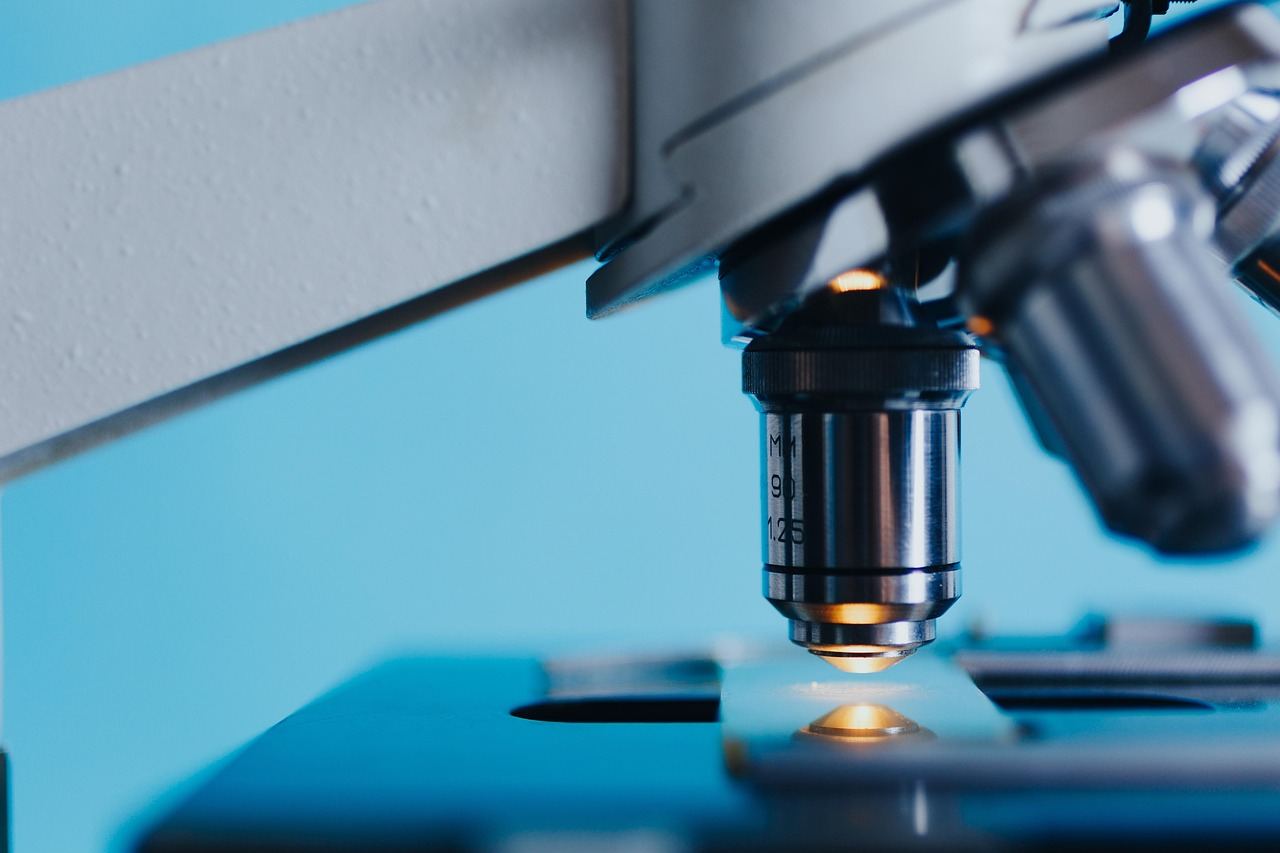
- Inverted microscope: used to check cultures daily for confluency, morphology and early signs of contamination.
- Centrifuge: used to pellet cells after detachment or during media changes for suspension cultures.
Learning where everything sits, and what each item is for, makes your first sessions calmer and safer. It also helps you spot when something is wrong, such as a cabinet cluttered with items or a vessel left out of the incubator too long.
The microscope is the quiet hero of the list. Checking a vessel without removing it from the incubator for longer than necessary keeps both the cells and the routine stable.
Aseptic technique: the habit that protects every culture
Aseptic technique means keeping materials that are already sterile free of microbes while you work. It is the first of the cell culture techniques to master, because every other step opens a flask or bottle.
Spray gloves and the outer surface of any bottle, pipette or tube with 70% ethanol before it enters the cabinet, as the CASRAI guide advises. Then work deliberately and keep your movements slow.
- Never put a pipette back into a bottle of medium after it has fed a culture.
- Do not use the same pipette with different cell lines.
- Keep only what you need inside the cabinet, so air flow is not blocked.
- Label every flask before you start, not afterwards.
The first two rules come from a LabOnline aseptic technique guide. They prevent both contamination and cross-contamination between lines.
How do you passage or subculture cells?
Passaging is moving some cells into fresh medium before the culture overgrows. Adherent and suspension lines both need it regularly, according to Sartorius, a commercial supplier whose page is useful for the general principle.
The same page points out the risk: the flask is opened, cells are handled and new medium is added. Passaging presents a contamination risk.
For adherent cells the usual sequence looks like this:
- Check the culture under the microscope and confirm it is healthy.
- Remove the old medium and rinse the cells.
- Add a dissociation reagent, most often trypsin-EDTA, and incubate briefly until cells round up and detach.
- Neutralise the trypsin with serum-containing medium and gently resuspend the cells.
- Seed a portion into a new vessel with fresh medium.
The CASRAI guide says to check under the microscope rather than use a fixed timer, since over-exposure to trypsin damages cell-surface proteins and viability. Suspension cells skip the trypsin step and are simply diluted into fresh medium.
Counting cells and keeping records
A hemocytometer or automated cell counter is used to determine cell concentration and viability before plating or passaging. Counting lets you seed the same number of cells each time, which makes experiments comparable.
Two records matter at every passage: the passage number and the split ratio used. Passage number records successive subcultures; retain the documented passage history when thawing a stock.
This record keeping links directly to good laboratory practice, where traceable notes are a basic expectation. Primary cells also have a finite lifespan, so the passage number tells you how close a culture may be to senescence.
Contamination control and mycoplasma testing
Bacteria and fungi are usually visible. Mycoplasma is the quiet problem, because contamination can go unnoticed until another lab tests the cells that were shared with them.
The LabOnline guide gives practical defences:
- Quarantine and handle under strict precautions all incoming cell lines until testing shows no mycoplasma.
- Buy lines from repositories that certify them mycoplasma free before distribution, and quarantine and test them on arrival.
- Test for mycoplasma at regular intervals.
- Avoid routine antibiotics as prophylaxis, since overuse can cause cytotoxicity and raise the risk of covert contamination.
If your work later moves to molecular assays, the pcr basics article explains one method often used for detection. Follow whatever testing method your own lab has validated.
Daily checks that catch problems early
Most labs visually check each active culture under the inverted microscope every day. You look at three things: confluency, morphology and media colour.
Confluency is the percentage of the growth surface covered by adherent cells; suspension cultures are assessed by cell concentration. Morphology means cells should look consistent with how that line normally appears. Rounding, granularity or debris can signal stress or contamination.
Media colour matters because phenol red works as a pH indicator in most media. A sudden colour change is a prompt to look closer, not a diagnosis on its own. Write down anything unusual and tell a colleague before you passage.
Biosafety and building the skill in practice
The cells themselves carry rules. Determine containment from the cell line’s documented hazards and your institution’s risk assessment. Other cell sources can need more containment, so ask before you assume.
Ask a trained colleague to watch your first few passages, and write down what you did each time. Slow, consistent technique beats speed. Your institution’s biosafety rules apply to every culture you handle, so follow your local training before starting.
- Learn the equipment layout and the daily check routine first.
- Practise aseptic movements with a supervisor before handling valuable cells.
- Record the passage number and split ratio every time.
- Quarantine and test any new line that arrives from outside.
Treat each of these as a habit rather than a checklist. With practice, these habits can support consistent culture handling.
Frequently asked questions
What is the most important cell culture technique for beginners?
Show answer
Aseptic technique. Every other step, from feeding to passaging, depends on keeping the culture free of contaminants.
What is the difference between passaging and subculturing?
Show answer
They describe the same process: moving a portion of an established culture into fresh medium before it overgrows.
Why is mycoplasma hard to catch?
Show answer
It can go unnoticed, and researchers sometimes find it only after sending cells to others who test them. Regular testing and quarantine of new lines are the standard defences.
Do I need to count cells every time I passage?
Show answer
Counting is used to determine concentration and viability before plating or passaging. Many labs count so seeding stays consistent, but follow your own protocol.